
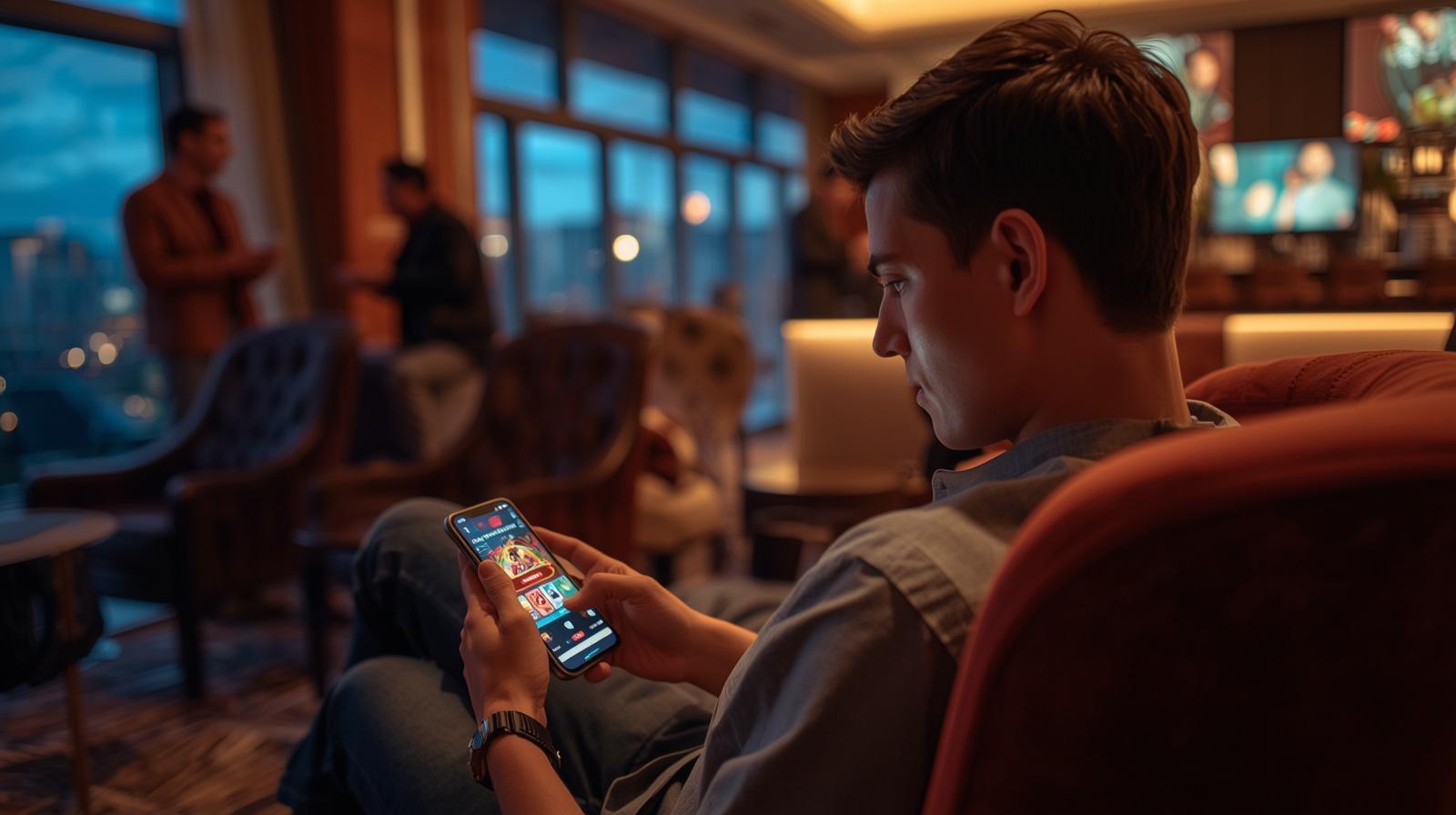
The lobby atmosphere felt unusually alive for a hotel. Jazz remixes drifted through the room while guests leaned back in velvet chairs, chatting about rooftop cocktails, room upgrades, and where the nightlife was heading next.
One traveler even joked that a few Las Vegas casinos felt quieter than this place. That blend of comfort and energy says a lot about where hospitality is heading. The influence of themed entertainment and interactive experiences inspired by Casino Rooli can already be seen in many modern gambling destinations.
Travel habits have changed over the past few years. Guests no longer want a basic room attached to a casino floor. They expect the experience to start the moment they walk through the doors and continue until the final checkout.
Hotels are responding by creating spaces that feel more social, immersive, and connected to the kind of entertainment people already enjoy online.
Entertainment Is Becoming Part of the Stay
There was a time when casino hotels focused almost entirely on visual luxury. Marble counters, giant chandeliers, and expensive carpets were enough to impress visitors. Those details still matter, but travelers now want something more interactive and memorable.
A young tourist from Singapore described his ideal vacation as “a place where something always feels like it’s happening.” That mindset explains why gambling accommodations are no longer competing only with other casinos. They are also competing with music festivals, nightlife districts, sports lounges, and even immersive cruise experiences.
Lively gaming environments attract visitors who want more than a traditional sightseeing trip. Guests tend to stay longer when the atmosphere feels active and social. Small details matter too.
Live music in the lobby, digital entertainment zones, and casual gathering spaces all encourage people to keep exploring instead of retreating to their rooms early.
Modern Hospitality Is Adapting Quickly
Recent gaming resort trends show how closely hospitality and lifestyle culture now overlap. Travelers expect convenience, entertainment, and social interaction to exist in the same place. Resorts that understand this are focusing less on old casino formulas and more on creating experiences guests actually remember.
Vacation habits are also becoming more personalized. Families often search for resorts with restaurants, pools, and flexible entertainment options, while younger travelers gravitate toward nightlife and gaming spaces that stay active late into the evening.
Resorts that successfully combine dining, social entertainment, and gaming access tend to attract broader audiences.
One hotel operator in Southeast Asia recently redesigned part of its casino wing to include open social areas and modern entertainment lounges. According to staff, guests started spending noticeably more time around the property after the renovation.
Longer stays eventually translated into stronger bookings and better repeat visits. Similar changes are starting to appear across other gaming destinations in the region.
Why Travelers May Continue Moving in This Direction
Many hospitality developers now believe the future of gaming resorts depends less on the games themselves and more on the overall emotional experience. Travelers remember how a destination made them feel long after the vacation ends.
Modern guests are drawn toward accommodations that match the fast-moving and socially connected atmosphere of today’s entertainment culture. Vacations are no longer just about relaxation.
They are also about immersion, convenience, and memorable shared experiences. Some travelers even notice a subtle connection between accommodations and playing on the best online slot sites, especially when hotels incorporate digital entertainment and interactive social spaces into the overall stay.
The hospitality industry has always adapted to entertainment trends. The difference today is the speed of change. Experiences feel more connected, more social, and more influenced by digital culture than ever before.