
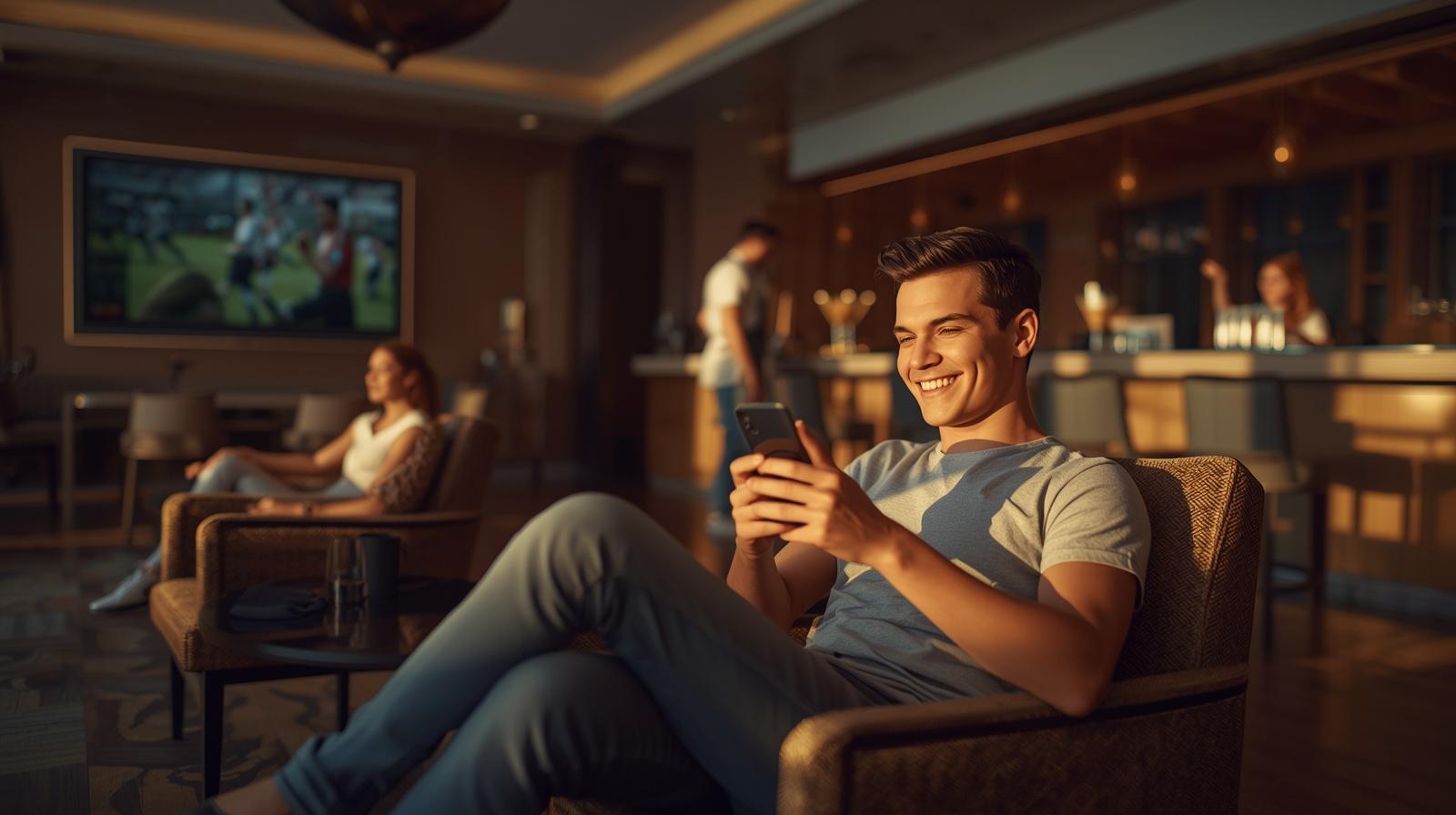
The lobby had more of a lounge feel than a traditional check-in space. It felt like a stage waiting for something to happen. That “stage” could easily turn into a bar, a social hub, or even a viewing area for live matches.
A bartender might be quietly polishing glasses while a couple places small bets on their phones. Someone nearby glances down at their screen and smiles after a modest win.
This is the kind of atmosphere that the online casino Parimatch seems to envision, not just digitally but also in how physical spaces might evolve.
There is a noticeable shift happening, especially if you pay attention to how spaces are being designed and used.
The Evolution of Hotel Design
Hotels used to focus on comfort above all else. A clean room, a soft bed, and maybe a decent breakfast were enough. Those things still matter, of course, but they are no longer the full story.
Today, many hotels are being reimagined to meet a different kind of expectation. Travelers are not just looking for rest. They want engagement.
I once spoke with a hotel manager who said a hotel should offer “entertainment you don’t feel the need to leave.” That idea stuck with me. It reflects a growing push to design spaces that feel active and immersive rather than passive.
Digital Influence on Guest Behavior
The rise of mobile betting and live gaming has changed how people interact with entertainment. It is more immediate, more reactive, and often more social, even when experienced through a screen.
Traditionally, a hotel stay encouraged guests to slow down. But that mindset is shifting. The same desire for interaction seen in gaming now follows people into their accommodations.
Hotel lobbies and lounges are starting to reflect this. You see more charging stations, flexible seating, and spaces that invite people to linger. Quiet corners are no longer just quiet. They are functional, connected, and subtly social.
Still, not all of these changes fully deliver on the promise of “hospitality.” Some spaces feel designed for activity but lack the warmth or cohesion to make them truly inviting.
Blending Work, Leisure, and Social Space
One noticeable trend is how work and leisure are merging. Guests now expect to be able to work, eat, watch something, and socialize in the same environment.
Furniture design has adapted to this shift. Instead of rigid layouts, there are more shared tables, circular seating arrangements, and multi-use areas. Spaces feel less formal and more fluid.
Work is no longer confined to desks or business centers. It happens everywhere, often alongside casual conversation or entertainment.
This blending of functions has changed how we think about temporary spaces. Hotels are no longer just places to stay. They are becoming environments where multiple parts of daily life happen at once.
Rising Expectations in Hospitality
During a recent trip, I found myself wishing for a more interactive hotel environment, which got me thinking about what it’s like going to a casino. Not necessarily something loud or overwhelming, but a space that felt alive in subtle ways.
Guests today expect more than a place to sleep. They want small moments that make their stay memorable. It could be something as simple as a well-designed lounge or a shared space that naturally brings people together.
In many ways, this reflects a broader shift. Hospitality is no longer just about comfort. It is about experience.